Bringing a dog into your life is an incredibly rewarding experience, but it also comes with the responsibility of teaching them how to navigate the human world safely and politely. Whether you have a brand-new puppy who needs to learn basic house manners, an adopted adult dog with a few behavioral quirks, or a canine companion struggling with severe reactivity, professional guidance can make all the difference.
However, the dog training industry can be notoriously difficult to navigate. In many parts of the world, the field is entirely unregulated, meaning anyone can buy a leash, set up a website, and call themselves a professional dog trainer. Choosing the wrong trainer can lead to wasted money, frustration, and in the worst cases, severe psychological damage to your beloved pet. This comprehensive guide provides practical tips to help you find the right professional dog trainer for your furry family member.
Understand Training Philosophies and Methodologies
Before you begin calling local businesses, it is vital to understand the different training philosophies used in the industry today. Because methodologies differ significantly, you need to ensure the professional you hire aligns with humane, scientifically validated practices.
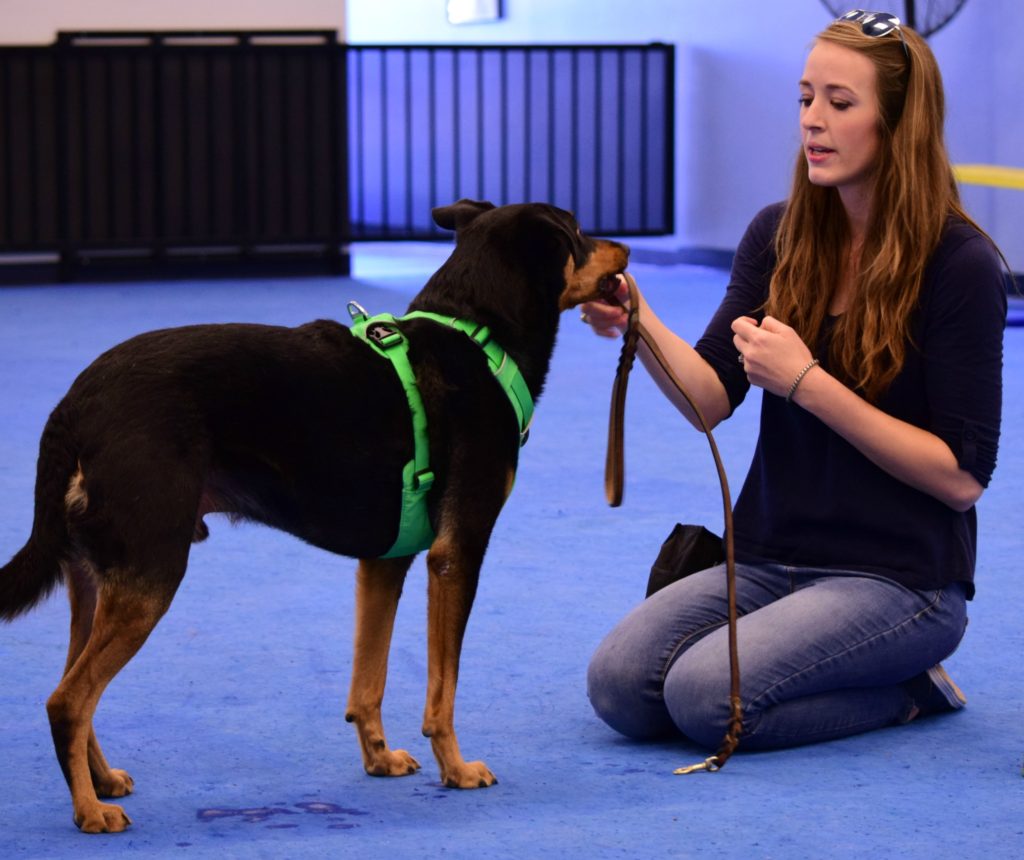
Look for trainers who specialize in reward-based, positive reinforcement methods. This philosophy focuses on rewarding desired behaviors with food, praise, play, or toys, while managing the environment to prevent unwanted behaviors. Modern canine behavioral science consistently shows that positive reinforcement builds a strong bond of trust and yields long-lasting results without causing fear or anxiety.
Conversely, be highly cautious of trainers who rely heavily on aversive tools or philosophies rooted in dominance theory or alpha submissiveness. The idea that you must dominate your dog to be the leader of the pack has been thoroughly debunked by modern veterinary and behavioral organizations. Using pain, fear, or physical force to stop a behavior often suppresses the symptoms temporarily while worsening the underlying anxiety or aggression.
Check for Professional Certifications and Credentials
Since the industry lacks government regulation, independent certifying bodies have emerged to establish rigorous testing, education, and ethical standards for trainers. A reputable professional will gladly display their credentials.
When researching candidates, look for acronyms from respected organizations, such as:
- CPDT-KA (Certified Professional Dog Trainer-Knowledge Assessed): Indicates the trainer has passed a comprehensive exam covering canine husbandry, ethology, learning theory, and training techniques, alongside documenting hundreds of hours of hands-on experience.
- IAABC (International Association of Animal Behavior Consultants): Members specialize in complex behavioral issues like aggression, separation anxiety, and severe fear.
- KPA CTP (Karen Pryor Academy Certified Training Partner): Graduates of a highly respected program focused on positive reinforcement and clicker training mechanics.
While certifications are not an absolute guarantee of success, they prove that the trainer invests time and money into their continuing education and adheres to a strict professional code of ethics.
Match the Trainer’s Specialization to Your Dog’s Needs
Just like human educators, dog trainers often specialize in distinct areas of behavior and development. Identifying your primary goals will help you select the right specialist.
If you have a young puppy, you primarily need a trainer who excels at early socialization, house training, and preventing common problem behaviors before they start. If your adult dog simply pulls on the leash or jumps on guests, a general obedience instructor or a basic manners group class is an excellent fit.
However, if your dog displays signs of resource guarding, severe separation anxiety, or lunges and barks at other dogs, you need to bypass general obedience trainers. These situations require a certified dog behavior consultant or a veterinary behaviorist who understands the complex neurological underpinnings of fear and aggression.
Ask Detailed Questions During Your Initial Contact
Treat your first phone call or email exchange with a potential trainer as an interview. A confident, ethical professional will be completely transparent about their methods and business practices. Consider asking the following target questions:
- What exact methods do you use to teach new behaviors?
- What do you do when a dog gets a behavior wrong or misbehaves during a session?
- What kind of equipment do you require clients to use?
- Can you provide references from past clients or local veterinarians?
Listen closely to their language. If a trainer uses vague euphemisms like “balanced training,” “natural corrections,” or “press-and-release,” ask them to clarify exactly what those terms mean in practice. An ethical trainer should be able to explain their methodology clearly without hiding behind confusing jargon.
Observe a Class or Request a Consultation First
Before committing to a multi-week package or leaving your dog in someone else’s care, ask if you can observe a training session or a group class without your pet. This allows you to evaluate the trainer’s teaching style and the overall atmosphere of the environment.
During your observation, look at both the dogs and the humans in the room. Are the dogs relaxed, focused, and eagerly working for rewards, or do they appear stressed, cowering, and hyper-vigilant? Is the instructor patient, encouraging, and clear when coaching the human owners, or are they harsh and demanding? Remember, a dog trainer’s primary job is actually to train you how to communicate with your pet, so their people skills are just as vital as their animal skills.
Conclusion
Finding the right dog trainer requires a combination of careful research, basic knowledge of modern animal science, and a willingness to trust your instincts. By prioritizing trainers who hold recognized certifications, use positive reinforcement methods, and communicate clearly with empathy, you can set your dog up for lifelong success. Investing time into finding the perfect professional match protects your dog’s mental well-being and strengthens the bond of companionship for years to come.