Adopting a dog is one of the most rewarding decisions a person or family can make. However, transitioning a rescue canine into a domestic household involves far more than simply selecting a pleasant breed or buying basic pet supplies. Every rescue dog carries a unique combination of past experiences, genetic traits, and behavioral patterns. Approaching dog adoption with clear strategy, patience, and evidence-based integration methods ensures a smooth transition and builds a lifelong partnership.
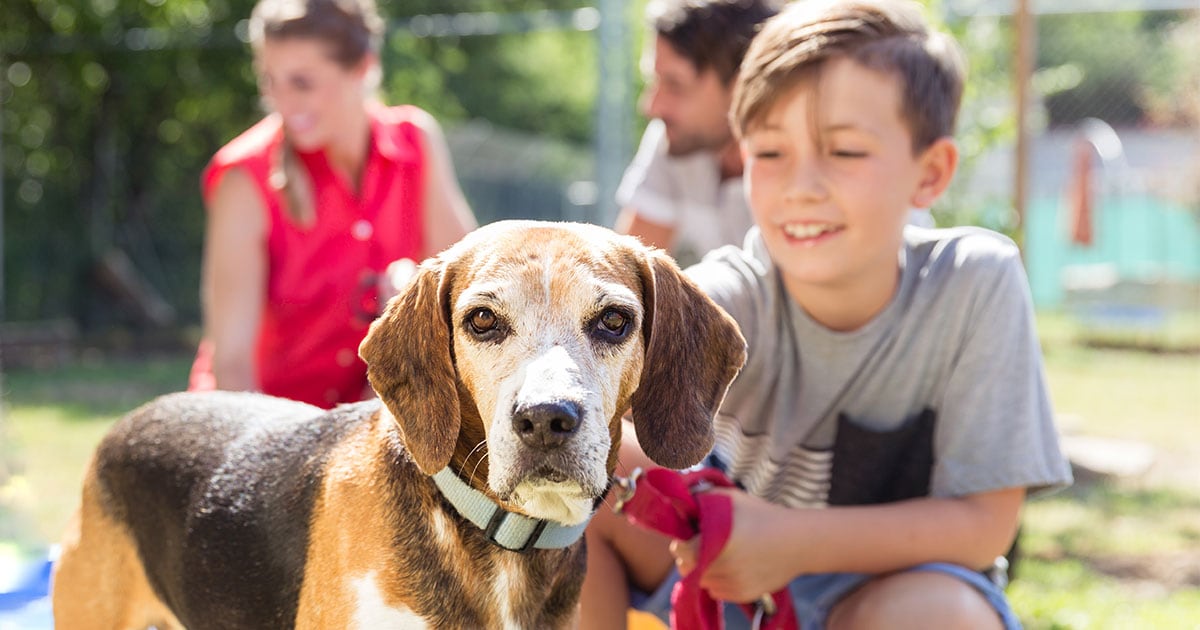
To navigate this journey successfully, prospective owners must look past emotional impulse and focus on realistic lifestyle matching, proper decompression techniques, and long-term health management.
1. Matching Canine Temperament with Human Lifestyle Dynamics
A primary reason dogs are returned to shelters is a mismatch between the dog’s energy level and the owner’s daily routine. While physical appearance or breed popularity often influences initial interest, temperament and energy requirements should always take priority during the selection process.
Evaluating compatibility requires an honest assessment of daily habits:
- Activity Level Alignment: High-energy working breeds and young mixes require significant physical exercise and mental stimulation daily. If your routine is largely sedentary or involves long office hours, a lower-energy adult or senior dog is often a better fit.
- Environmental Space and Rules: Consider your housing situation, local noise levels, and yard access. Some dogs thrive in bustling urban apartments, while others experience severe stress from constant street noise and require quiet suburban or rural settings.
- Time for Mental Enrichment: Exercise alone does not satisfy a dog’s natural drives. Working on puzzle toys, scent work, and positive reinforcement training requires a dedicated daily time investment from the owner.
Focusing on behavioral compatibility over visual traits sets the foundation for a stable, low-stress household.
2. Navigating the Shelter Environment and Rescue Assessments
Shelters and foster-based rescues evaluate animals to determine their suitability for various homes. Understanding how these assessments work helps adopters ask targeted questions and interpret behavioral reports accurately.
When meeting prospective dogs, pay close attention to specific behavioral observations:
- Behavior Outside the Kennel: Shelters are noisy, high-stress environments that can cause dogs to act overly anxious, reactive, or withdrawn. A dog’s true personality often emerges more clearly in a quiet outdoor play yard or a private visitation room.
- Resource Guarding Assessments: Inquire whether the rescue team has tested the dog for food or toy sensitivity around humans and other animals. Knowing this upfront allows you to establish safe management protocols immediately.
- Handling and Touch Sensitivity: Observe how the dog responds to gentle handling of its paws, ears, and torso. Sensitivity in these areas may indicate past medical issues, physical pain, or a need for slow desensitization.
Asking detailed questions during the adoption interview ensures you receive a full, transparent picture of the dog’s known history and needs.
3. Implementing the 3-3-3 Rule for Post-Adoption Decompression
Bringing a rescue dog home initiates a major biological and environmental shift. The central nervous system of a newly adopted dog operates in a heightened state of stress. Adopters should follow the “3-3-3 Rule”—a recognized guideline for canine emotional adjustment.
Structuring the adjustment period around these three milestones prevents behavioral overload:
- The First 3 Days: The dog feels overwhelmed and uncertain. Keep the home environment calm and low-key. Limit visitors, avoid trip outings, and establish a quiet, designated safe space where the dog can rest without interruption.
- The First 3 Weeks: As the dog learns your household schedule, it begins showing its authentic personality. Consistently reinforce potty routines, daily walking schedules, and household boundaries using positive reinforcement.
- The First 3 Months: The dog builds genuine trust and feels fully secure within the family unit. At this stage, long-term confidence is established, and formal training or advanced socialization can progress smoothly.
Giving your dog adequate time and space during these initial phases builds lasting trust and reduces anxiety-based behaviors.
4. Establishing Health Baseline and Preventive Veterinary Care
Rescue dogs often arrive with unknown medical histories or health conditions that require prompt attention. Establishing a clear medical baseline with a licensed veterinarian is essential immediately following adoption.
Key health steps to prioritize during the first two weeks include:
- Comprehensive Physical Examination: Schedule a complete medical checkup to assess joint health, dental condition, eye clarity, and skin integrity.
- Diagnostic Screening: Ensure the dog receives diagnostic tests for heartworm disease, tick-borne illnesses, and intestinal parasites, even if the shelter provided preliminary treatments.
- Vaccination and Microchip Verification: Confirm that all core vaccines (rabies, DHPP) are up to date, and immediately register the dog’s microchip contact details under your name and current address.
Establishing proper preventive care early protects your dog’s long-term health and prevents avoidable medical complications.
5. Building Trust Through Positive Reinforcement and Clear Routines
Building a strong bond with an adopted dog relies on clear communication, consistency, and positive reinforcement. Avoid forceful or punitive training methods, as these elevate stress, damage trust, and can trigger fear-based aggression in rescue dogs.
Focus on these core training practices to build confidence:
- Reward Desired Behaviors: Immediately reward good choices—such as sitting calmly, walking on a loose leash, or settling on a dog bed—with high-value treats, verbal praise, or affection.
- Maintain Predictable Schedules: Feeding, walking, and resting at consistent times every day lowers cortisol levels and helps anxious dogs feel safe in their new environment.
- Manage the Environment Proactively: Use baby gates, crates, or leashes to prevent unwanted behaviors before they happen, rather than scolding the dog after a mistake occurs.
Consistent, reward-based guidance builds mutual respect and helps your rescue dog navigate human expectations with confidence.
Conclusion
Dog adoption is a transformative experience that requires careful preparation, realistic expectations, and empathetic leadership. By matching temperament to your lifestyle, honoring the multi-month decompression timeline, establishing thorough veterinary care, and applying positive reinforcement training, you create an optimal environment for your new dog to thrive. Choosing to adopt gives a deserving animal a fresh start while bringing a loyal, loving companion into your life for years to come.