The allure of the unconventional has led an increasing number of animal lovers to welcome exotic pets into their homes. From the rhythmic scales of a bearded dragon and the delicate glide of a sugar glider to the intricate beauty of a poison dart frog, exotic animals offer a unique window into the wonders of the natural world. However, the very traits that make these animals “exotic” also make them significantly more vulnerable to household hazards that a dog or cat might easily navigate.
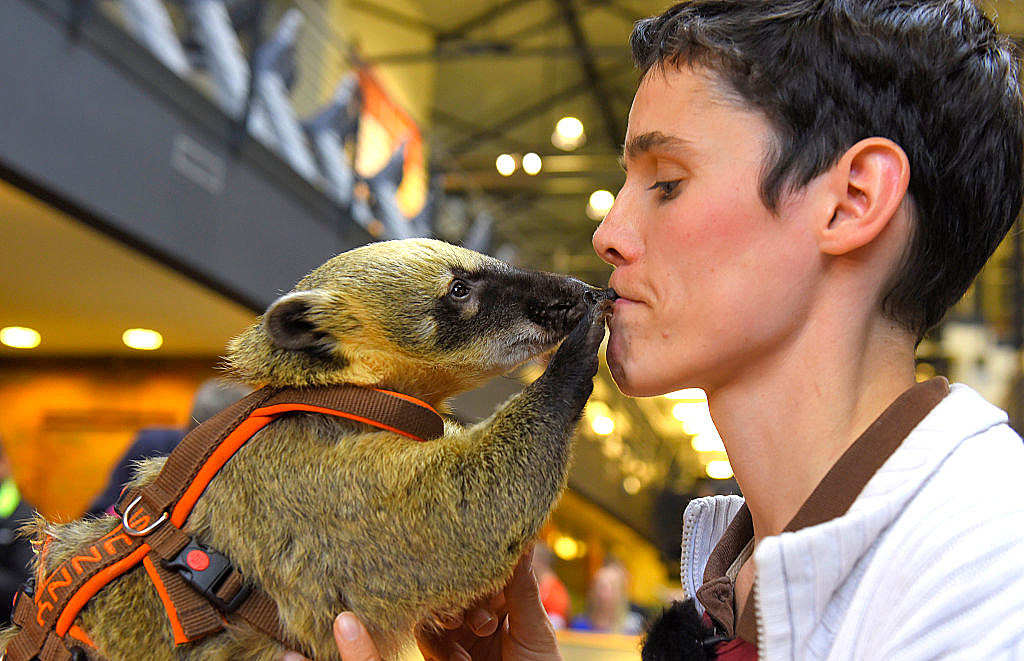
Ensuring the safety of an exotic pet requires more than just a sturdy cage. It demands a holistic understanding of their biology, a rigorous approach to environmental control, and a “pre-emptive” mindset regarding home safety. This guide outlines the critical strategies every exotic pet owner should implement to provide a safe, thriving environment for their unique companions.
1. Master the Micro-Climate: Temperature and Humidity Control
Most exotic pets originate from specific tropical, arid, or temperate biomes. Unlike humans, they are often ectothermic, meaning they rely on external heat sources to regulate their body temperature. A slight fluctuation in home temperature that feels like a minor breeze to you could be a life-threatening event for a reptile or amphibian.
Thermal Gradients: It is vital to provide a thermal gradient within the enclosure. This means having a “hot zone” for basking and a “cool zone” for resting. Without this, the pet cannot regulate its metabolism, leading to digestive issues or heat stroke.
Reliable Monitoring: Never rely on “guesswork” or cheap analog stickers. Invest in high-quality digital thermometers and hygrometers. Furthermore, all heating elements—such as ceramic heat emitters or under-tank heaters—must be connected to a thermostat. A malfunctioning heater can quickly turn an enclosure into a furnace, causing fatal burns.
2. Escape-Proofing and Structural Integrity
Exotic pets are notoriously skilled escape artists. Snakes can squeeze through gaps that seem impossibly small, and small mammals like ferrets can flatten their bodies to slide under doors or into appliance vents.
Locking Mechanisms: Standard mesh lids are often insufficient. Many snakes are strong enough to lift a lid that isn’t weighted or clipped down. Always use luggage locks or specialized terrarium clips.
Room-Proofing: If you allow your pet “out-of-tank” time, you must view the room from their perspective. Seal any floor-level holes, block off the undersides of heavy furniture, and ensure windows are securely screened. For flying exotics like birds or sugar gliders, ceiling fans are a primary hazard and must be turned off well before the pet is released.
3. Lighting Safety and the UV Factor
For many reptiles and some birds, specialized lighting is not a luxury; it is a physiological requirement. Ultraviolet B (UVB) light allows these animals to synthesize Vitamin D3, which is essential for calcium absorption.
Distance Matters: The intensity of UVB radiation decreases significantly with distance. If the bulb is too far away, the pet develops Metabolic Bone Disease (MBD). If it is too close, it can cause ocular damage or skin burns. Follow the manufacturer’s “distance to basking site” guidelines precisely.
Replacement Schedules: UVB bulbs often continue to produce visible light long after they have stopped emitting functional UV rays. Most bulbs need to be replaced every six to twelve months, even if they haven’t “burnt out.”
4. Household Toxins and Air Quality
Exotic pets, particularly birds and amphibians, have incredibly sensitive respiratory systems. Their bodies are far less efficient at filtering out airborne toxins than human lungs.
The Danger of Non-Stick Cookware: PTFE (Teflon) poisoning is a leading cause of sudden death in pet birds. When non-stick pans are overheated, they release odorless, colorless fumes that are instantly toxic to avian respiratory tracts.
Scented Products: Avoid using incense, scented candles, essential oil diffusers, or harsh chemical cleaners in the same room as your exotic pet. Amphibians, who breathe through their skin, are particularly susceptible to absorbing toxins from the air or from residues left on surfaces.
5. Dietary Safety and Hydration
Malnutrition is one of the most common causes of illness in exotic pets. Ensuring safety means ensuring that what they ingest is appropriate for their specific species.
Live Prey Management: If you feed live insects to a reptile, do not leave uneaten prey in the enclosure overnight. Crickets, for example, can bite and cause significant wounds to a sleeping lizard or frog.
Water Quality: For aquatic or semi-aquatic exotics, tap water contains chlorine and chloramines that can be lethal. Always use a high-quality water conditioner to neutralize these chemicals before filling an aquarium or misting a terrarium.
6. Veterinary Preparedness
Safety isn’t just about preventing accidents; it’s about having a plan for when they happen. Most standard neighborhood veterinarians are trained primarily for cats and dogs and may not have the expertise or equipment to treat a bird, reptile, or exotic mammal.
Before bringing an exotic pet home, identify a certified “Exotic Animal Veterinarian” in your area. Keep their emergency number posted near the enclosure. Because exotic animals naturally hide signs of illness (a survival instinct in the wild), having a professional who can perform regular fecal exams and blood work is essential for catching issues before they become emergencies.
Conclusion
The responsibility of owning an exotic pet is significant, but the rewards are equally profound. By meticulously controlling their environment, guarding against household toxins, and ensuring a secure physical space, you can mitigate the vast majority of risks associated with keeping these unique animals. Safety for an exotic pet is not a “set it and forget it” task; it is a commitment to constant observation and adjustment. When you provide a secure sanctuary, you allow your pet to display their natural behaviors, ensuring a long, healthy, and fascinating life together.