Horses are majestic, powerful, and incredibly intelligent creatures. For many beginners, stepping into the world of horsemanship is a lifelong dream come true. However, working with an animal that weighs over a thousand pounds can also be incredibly intimidating. Unlike smaller domestic pets, a horse requires a specialized approach to communication, safety, and training due to their nature as prey animals.
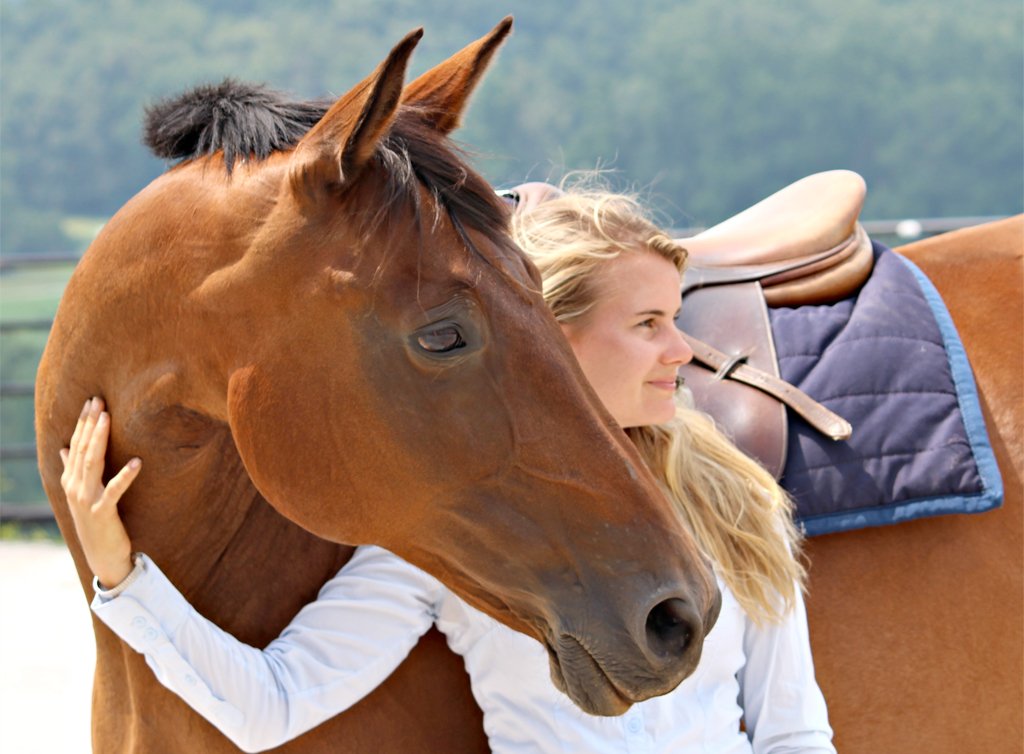
Successful horse training is not about domination or physical force; it is about building a mutual language based on trust, respect, and clear boundaries. Whether you are working with your very first horse, volunteering at a local stable, or taking up riding lessons, mastering the fundamentals of ground interaction is essential. Here are three critical horse training tips for beginners to help you kickstart your equestrian journey safely and effectively.
1. Master Groundwork Before You Ever Climb into the Saddle
Many beginners make the mistake of assuming that horse training only happens when they are sitting in the saddle. In reality, the most important training occurs right on the ground. Groundwork refers to any exercise or interaction you perform with your horse while you are standing on your own two feet, utilizing a halter and a lead rope.
Groundwork establishes your role as a confident, trustworthy leader. It teaches your horse to respect your personal space and respond to light pressure. Simple exercises, such as asking your horse to back up, yield their hindquarters, or walk calmly beside you without pulling ahead, lay the vital foundation for everything you will eventually ask them to do while riding.
When practicing groundwork, focus on the principle of pressure and release. Horses learn from the release of pressure, not the pressure itself. For example, if you want your horse to back up, apply gentle pressure to the lead rope. The very instant the horse takes a single step backward, immediately release the tension. This immediate release tells the horse, “Yes, that was the correct answer.”
2. Develop Emotional Awareness and Consistent Body Language
Horses are hyper-sensitive to their environments. As prey animals in the wild, their survival depended on their ability to read the tiniest changes in the body language of their herd members and potential predators. Because of this evolutionary trait, your horse can read your emotional state and posture long before you even say a word or touch their halter.
If you approach a horse feeling anxious, tense, or frustrated, the horse will instantly match your energy, becoming defensive or nervous themselves. Conversely, if you approach with a calm, assertive, and relaxed demeanor, the horse will feel secure in your presence.
To communicate effectively, you must become highly conscious of your physical movements:
- Keep your movements deliberate: Sudden, erratic gestures can startle a horse and trigger their instinct to flee.
- Stand tall but relaxed: Slouching can signal fear or lack of confidence, while a rigid, aggressive stance can make you appear threatening.
- Be consistent with your cues: If you use a specific verbal click or body shift to mean “walk forward” today, use that exact same cue tomorrow. Changing your signals confuses the horse and slows down their learning progress.
3. Prioritize Patience Over Perfection and Recognize Small Successes
One of the most valuable lessons a horse can teach a human is patience. Horse training is a non-linear process filled with breakthroughs and temporary setbacks. It is incredibly easy for a beginner to get frustrated when a horse does not understand a cue right away, but frustration is the ultimate enemy of effective training.
When a horse fails to respond correctly, it is rarely out of malice or stubbornness. Most of the time, the horse is either confused by your cue, fearful of the environment, or physically incapable of doing what you are asking due to a lack of conditioning. If you feel your frustration rising, take a deep breath, step back, and simplify the task.
Break down complex maneuvers into tiny, manageable steps. If you are trying to teach your horse to walk over a plastic tarp, do not expect them to cross it completely on the first try. Celebrate when they simply look at the tarp calmly. Reward them when they take one step closer to it. By rewarding the smallest try, you build the horse’s confidence and desire to please you, turning a scary obstacle into a positive learning experience.
Conclusion
Training a horse is a deeply rewarding journey that requires time, dedication, and a willingness to learn from the animal itself. By focusing heavily on groundwork, maintaining absolute control over your own body language, and prioritizing patient consistency over rapid results, you can build a magnificent partnership with your horse. Remember that every single interaction you have with a horse—whether you are grooming them, leading them to pasture, or riding them—is a form of training. Approach them with an open mind and a calm spirit, and you will pave the way for a safe and successful lifetime of horsemanship.