Our homes are sanctuaries for our beloved pets, places where they should feel safest. Yet, many common household items, foods, and even seemingly harmless plants harbor hidden dangers that can lead to severe illness, organ damage, or even death in dogs, cats, and other companion animals. Responsible pet ownership demands constant vigilance and an active effort to pet-proof the environment, anticipating the curious nature of animals that explore the world with their paws and mouths.
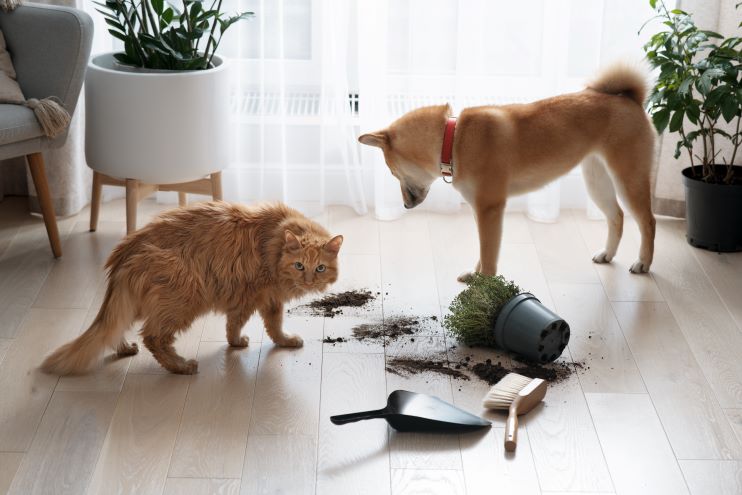
Understanding these threats—from the toxic treats in the pantry to the chemicals under the sink—is the single most important preventative measure an owner can take. This article serves as a critical guide to the most dangerous items you must remove or secure to ensure your pet’s lifelong safety and well-being.
Subtitle 1: The Kitchen Killers—Toxic Foods and Medications
The kitchen and medicine cabinets contain some of the most concentrated and accessible dangers to pets.
1. Human Foods That Are Deadly
Many foods that are safe, or even healthy, for humans are highly toxic to animals due to differences in metabolism.
- Xylitol (Birch Sugar): This artificial sweetener, commonly found in sugar-free gum, candy, peanut butter, and baked goods, is acutely toxic to dogs. It causes a rapid and severe drop in blood sugar (hypoglycemia) and can lead to liver failure. Even small amounts are dangerous.
- Chocolate: Contains theobromine, a substance that dogs metabolize very slowly. Ingestion, especially of dark chocolate or baking cocoa, can cause vomiting, diarrhea, tremors, seizures, and heart problems.
- Grapes and Raisins: The toxic mechanism is unknown, but these can cause sudden kidney failure in dogs. Even small amounts can be dangerous to sensitive individuals.
- Onions, Garlic, and Chives: These ingredients (found in many prepared foods and spices) belong to the Allium family and can damage a pet’s red blood cells, leading to anemia.
2. Over-the-Counter and Prescription Drugs
Human medications are a leading cause of pet poisoning. Pets often find dropped pills or chew through bottles left on counters or bedside tables.
- NSAIDs (Non-Steroidal Anti-Inflammatory Drugs): Medications like ibuprofen and naproxen can cause severe stomach ulcers, kidney failure, and neurological issues in pets.
- Acetaminophen (Tylenol): Highly toxic to cats, causing damage to red blood cells and severe liver failure. Never give human pain medication to a pet without direct veterinary instruction.
- Antidepressants: Many psychiatric medications can cause neurological issues, tremors, and elevated heart rates in pets upon ingestion.
Subtitle 2: The Green Threat—Poisonous Plants
Many common houseplants and garden shrubs, while beautiful, contain toxins that can range from irritating to fatal upon ingestion.
Houseplants to Avoid
Curious cats and bored dogs often chew on accessible foliage. Common toxic indoor plants include:
- Lilies (True Lilies): Extremely toxic to cats. Ingesting even small amounts of the petals, leaves, pollen, or water from the vase can cause acute and irreversible kidney failure. This is considered a veterinary emergency.
- Sago Palms: All parts of this ornamental plant are poisonous, but the seeds (nuts) are particularly potent, causing severe liver damage, vomiting, and bleeding disorders.
- Tulips and Daffodils: The bulbs of these flowering plants are highly toxic and can cause intense gastrointestinal upset and cardiac dysfunction if dug up and chewed.
Garden Chemicals
Beyond the plants themselves, garden maintenance products pose a huge threat:
- Rodenticides (Rat Poison): These products are formulated to be palatable and contain various poisons (anticoagulants, bromethalin) that can cause catastrophic internal bleeding or severe brain swelling, often with a delayed onset of symptoms.
- Snail and Slug Bait: Many contain metaldehyde, which is highly toxic and causes severe, life-threatening seizures and hyperthermia (overheating) shortly after ingestion.
Subtitle 3: Household Hazards and Toxic Chemicals
Everyday cleaning products, automotive fluids, and structural items require strict containment to prevent pet exposure.
1. Cleaning Agents and Detergents
Chemicals under the sink pose significant risks if bottles are tipped over or leaked:
- Bleach and Ammonia: Cause severe irritation and chemical burns to the esophagus, mouth, and stomach.
- Laundry and Dishwasher Pods: The highly concentrated detergents in these small pods can cause rapid, severe vomiting and, in some cases, respiratory distress if bitten into.
2. Automotive and Garage Fluids
These fluids are particularly tempting to pets due to their taste or smell.
- Antifreeze (Ethylene Glycol): Extremely sweet-tasting, making it highly attractive to pets. It causes irreversible and fatal kidney failure even in very small doses. Immediate veterinary intervention is critical.
- Paint Thinners and Petroleum Products: Can cause severe respiratory irritation if inhaled (due to aspiration during vomiting) and liver damage.
3. Small Objects and Foreign Bodies
While not toxic, small household items are frequently swallowed, leading to foreign body obstructions requiring emergency surgery. These include coins (zinc toxicity), batteries (chemical burns), string, yarn, socks, and small children’s toys.
Conclusion: Secure, Store, and Educate
The responsibility for a pet’s safety lies entirely with the owner. Securing these dangers is a continuous task, not a one-time project. This involves rigorously securing all medications and chemicals, knowing which foods and plants are toxic, and being mindful of small objects left within reach.
When in doubt about a suspected ingestion, time is of the essence. Immediately contact your veterinarian or a 24-hour Animal Poison Control Center. By removing these hidden hazards, you ensure your home remains the safe, joyful haven your loyal companion deserves.