The planet is currently facing a silent, accelerating crisis: a massive loss of biodiversity driven largely by human activity. Across every continent and ocean, countless species of animals are teetering on the brink of extinction, classified as endangered or critically endangered. These animals are not just statistical losses; they are vital threads in the complex tapestry of life, and their disappearance signals profound disruption to the delicate ecological balance that sustains all life, including our own.
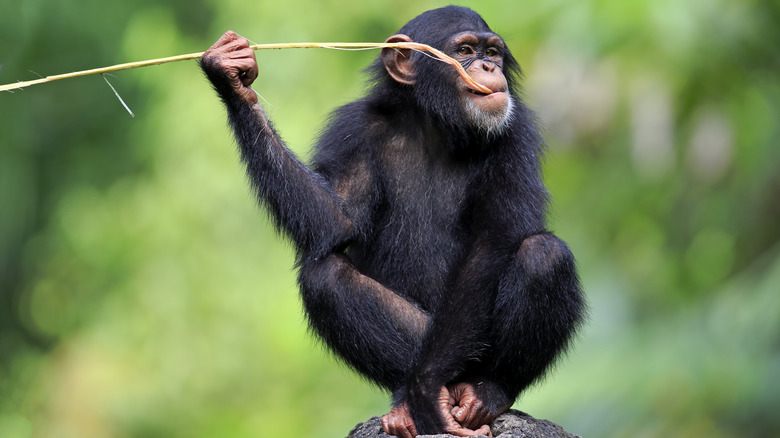
Understanding the plight of endangered animals in the world is the first step toward effective conservation. This crisis is complex, rooted in global economics, resource consumption, and climate change. Recognizing the primary threats, appreciating the ecological role of these animals, and committing to proactive solutions is essential to mitigating this irreversible loss before it is too late.
Subtitle 1: The Driving Forces Behind Extinction
The threats facing endanger animals are multi-facet, often overlapping to create what conservationists call an “extinction vortex.”
1. Habitat Loss and Fragmentation
This is overwhelmingly the leading threat. As human populations expand, forests are cleared for agriculture, wetlands are drained for development, and marine environments are damaged by fishing and pollution. Species like the Sumatran Orangutan are critically endangered because 80% of their forest habitat has been destroyed for palm oil plantations. Habitat loss forces species into smaller, isolated patches of land, fragmenting populations and making them genetically vulnerable.
2. Illegal Wildlife Trade and Poaching
The demand for exotic pets, traditional medicine ingredients (like rhino horn and tiger bone), and luxury goods fuels a massive, illicit global trade. This direct, targeted killing has decimated key populations. The Black Rhino, for example, was hunted relentlessly, driving its population to near collapse despite decades of intense anti-poaching efforts. Poaching removes mature, breeding individuals, severely limiting the population’s ability to recover.
3. Climate Change
Global warming introduces rapid, unpredictable shifts in ecosystems that species cannot adapt to fast enough. Rising sea temperatures cause coral bleaching, destroying the reef habitat essential for marine life like sea turtles and colorful fish. Changes in precipitation and temperature disrupt breeding cycles and food sources. The Polar Bear is an iconic example of a species whose primary habitat—Arctic sea ice—is literally melting beneath its feet.
Subtitle 2: Keystone Species and the Ripple Effect
The loss of an endangered species is not an isolated event; it triggers a cascade of negative consequences throughout the ecosystem, known as the ripple effect.
The Role of Keystone Species
Some animals, known as keystone species, play a disproportionately large role in maintaining the structure of their ecosystem. Their loss leads to the collapse of the entire system.
- Example: Elephants: As mega-herbivores, African Forest Elephants are known as “gardeners of the forest.” They disperse seeds over vast distances and thin out shrubbery, maintaining the diversity and structure of the forest ecosystem. If they disappear, the forest structure itself changes, impacting hundreds of other species of plants and animals.
- Example: Sharks: As apex predators in the marine environment, sharks maintain the health of coral reefs and seagrass beds by controlling the populations of mid-level consumers. The removal of sharks leads to overgrazing and ecological degradation of the reef system.
Ecosystem Services
Endangered species often provide essential ecosystem services that benefit humans directly, such as pollination (bees and certain birds), pest control (bats), and seed dispersal (primates and rodents). Their extinction compromises the natural processes that support agriculture and clean water.
Subtitle 3: Global Conservation Efforts and the Path Forward
Despite the immense challenge, there are tangible, successful efforts underway, proving that human intervention can reverse the decline.
1. Habitat Protection and Restoration
The most effective long-term strategy is preserving and restoring large, connected tracts of wilderness. This includes establishing protected national parks and reserves and creating “wildlife corridors” that allow fragmented populations to safely breed and migrate. Successful examples include the expansion of protected areas for the Mountain Gorilla in Africa, whose population has seen a steady increase due to intensive, localized protection.
2. Community-Based Conservation
Conservation success often requires involving and empowering the local human communities living near the endangered species. By demonstrating that wildlife can be more valuable alive (through eco-tourism revenue, sustainable harvesting, or employment) than poached, local communities become the primary custodians and protectors of the animals.
3. Technological and Legal Solutions
Advanced technology is critical. DNA forensics help prosecute poachers, drones monitor remote areas, and global legal frameworks (like CITES, the Convention on International Trade in Endangered Species) restrict illegal trade. For critically endangered species with very low numbers, efforts include captive breeding programs and genetic banking to ensure long-term survival.
Conclusion: The Responsibility of Stewardship
The crisis of endangered animals is a direct reflection of human consumption and land use. It is a stark reminder that all life on Earth is interconnected, and the collapse of one system threatens the viability of others.
Addressing this requires not just funding conservation efforts, but fundamental shifts in consumer behavior—supporting sustainable products, advocating for habitat protection, and recognizing climate change as a core driver of species loss. The ultimate legacy of our generation will be determined by whether we choose passive observation or active stewardship to protect the irreplaceable natural heritage of our planet.